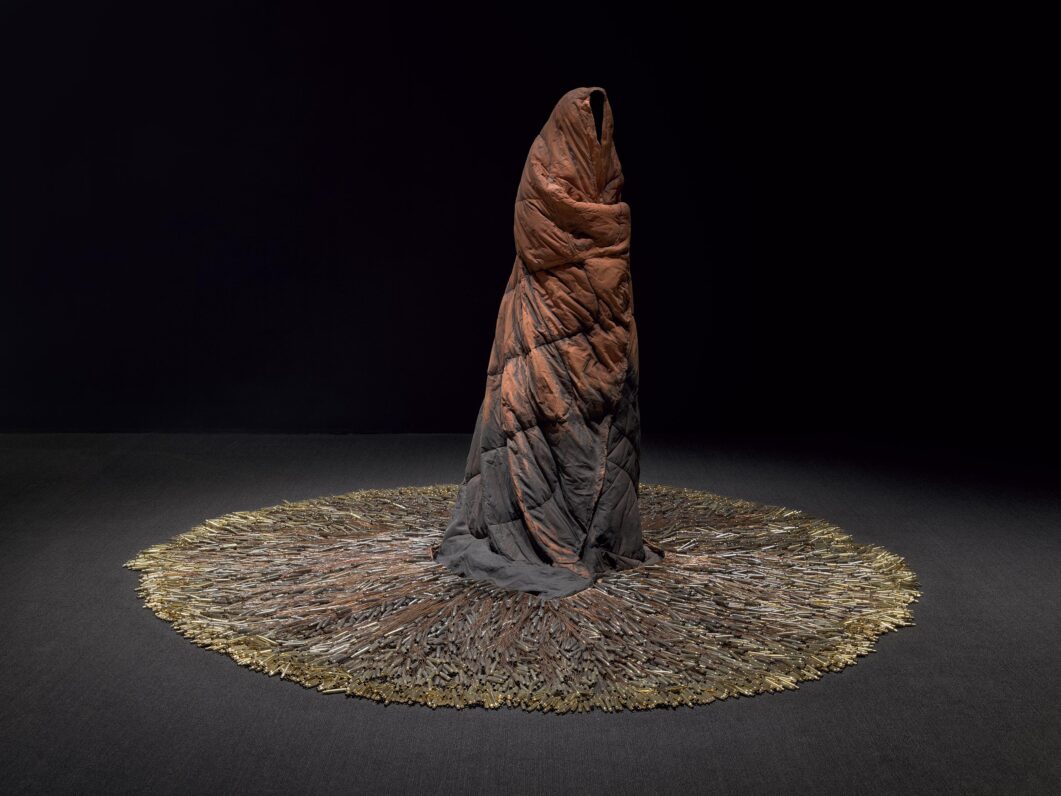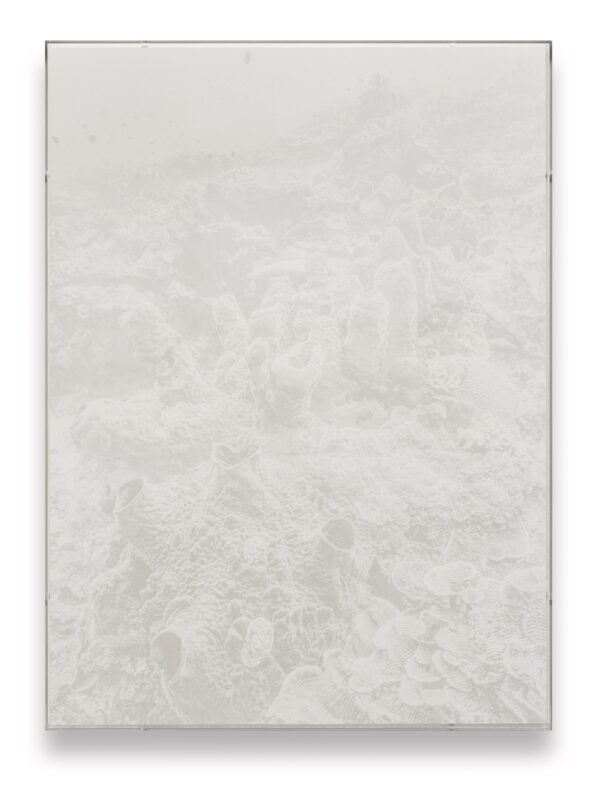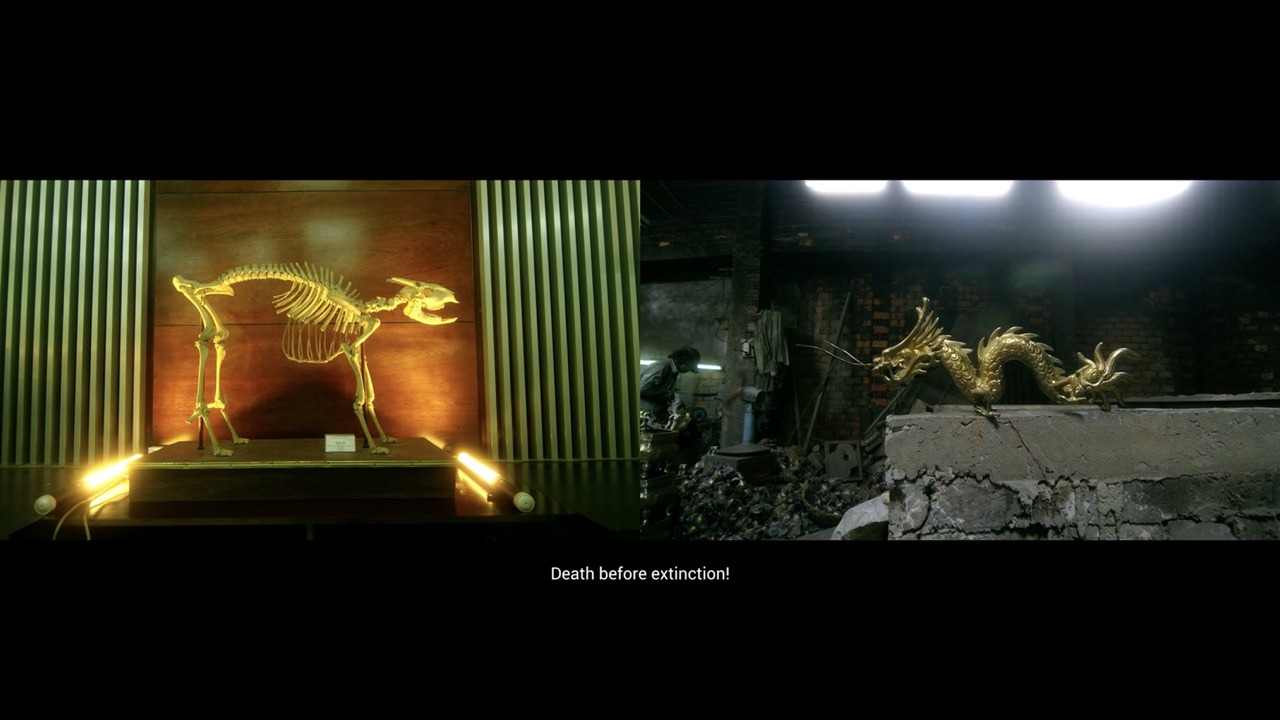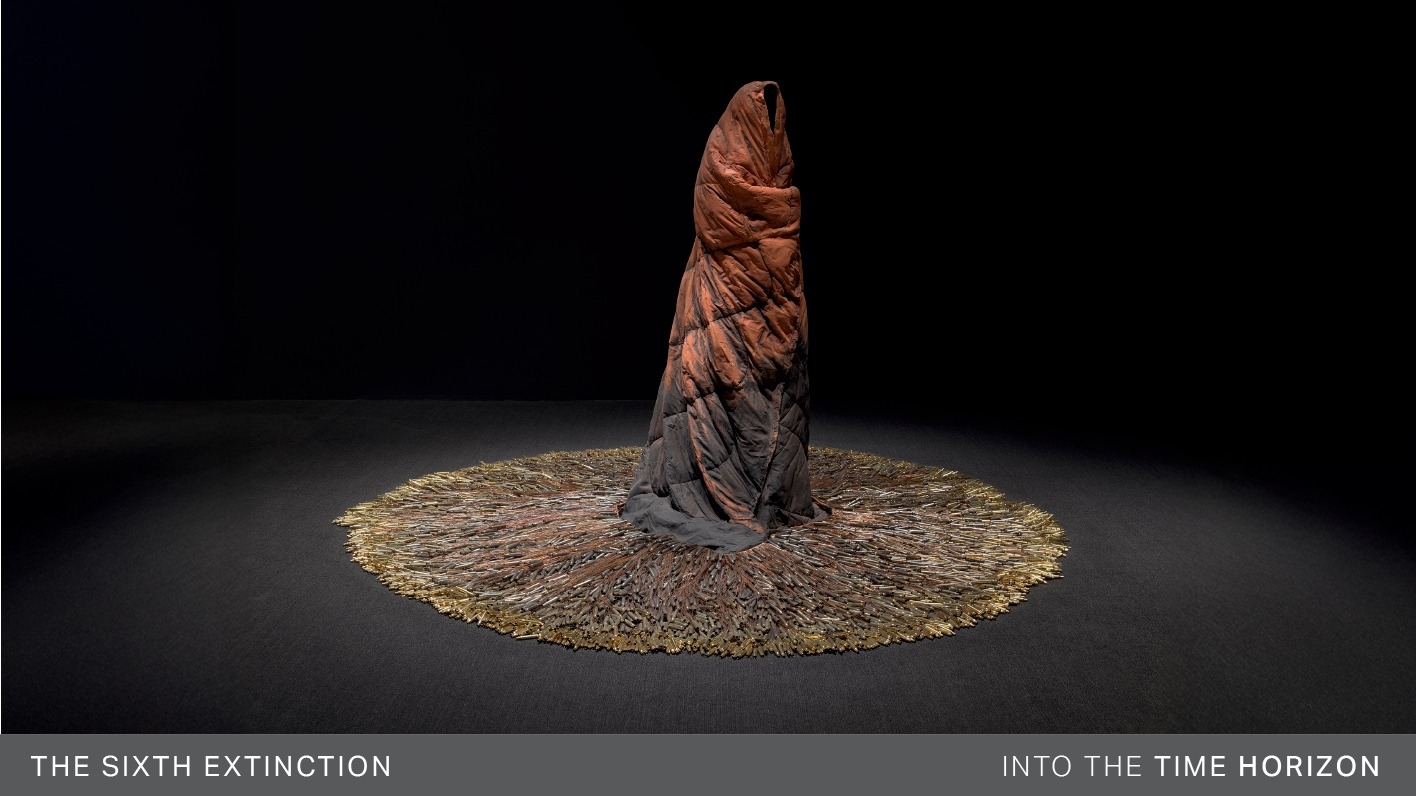
The Sixth Extinction identifies the precarious period we presently inhabit. Elizabeth Kolbert’s Pulitzer Prize–winning book of the same name inspires the title. In her masterful opus, Kolbert charts Earth’s previous five mass extinctions—from the Ordovician-Silurian events, occurring about 444 million years ago and resulting in the loss of around 85 percent of marine life, to the Cretaceous-Paleogene event some 66 million years ago, precipitated by an asteroid hitting the planet’s surface near present-day Mexico. Approximately 75 percent of all species on Earth became extinct. Kolbert discusses these historical episodes to emphasize that recent destruction, driven by human activity, is causing a similar loss of biodiversity. Epic shifts in the climate—whether ice ages, global warming, or severe volcanic activity—define each mass extinction. Yet, none of the previous five events occurred as fast as the one we are currently experiencing. Extinction, however, is not an endgame humans need to rehearse. The cataclysm doesn’t have to be us—there is still time to avert the sixth extinction. The time horizon, though, is narrowing.
This section is part of the exhibition INTO THE TIME HORIZON.