E.L. Wiegand Gallery | Floor 2
Earl and Wanda Casazza Gallery | Floor 2
Ina Mae and Raymond Rude Gallery | Floor 2
Newton and Louise Tarble Gallery | Floor 2
Small Works Gallery | Floor 2
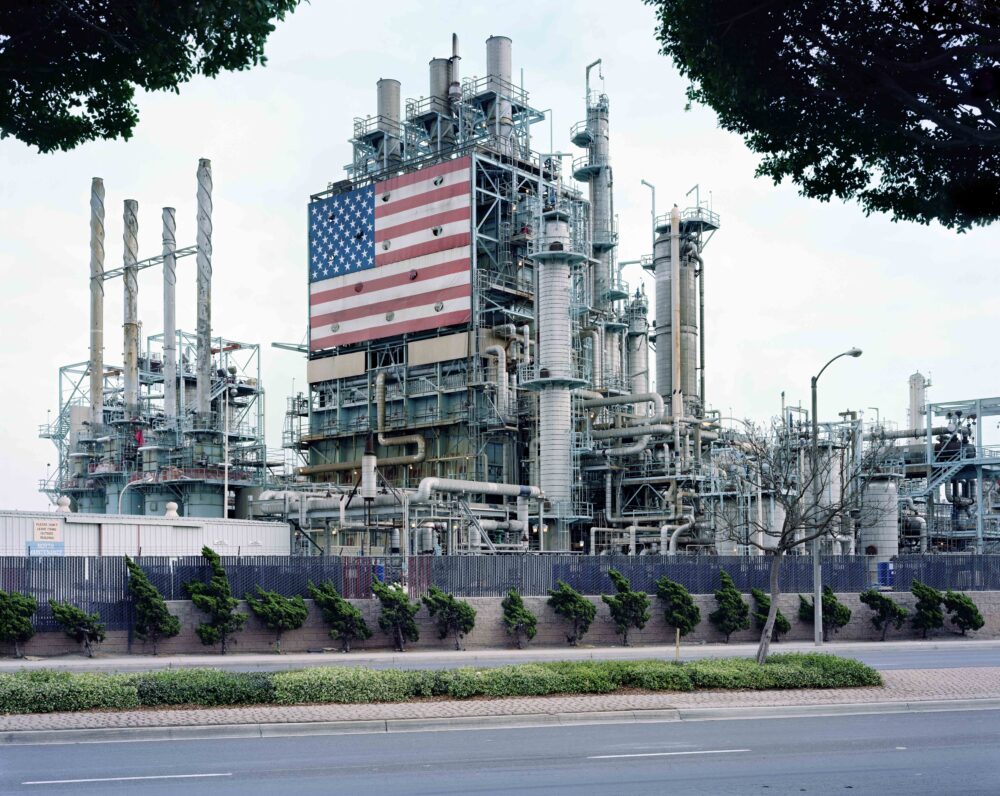
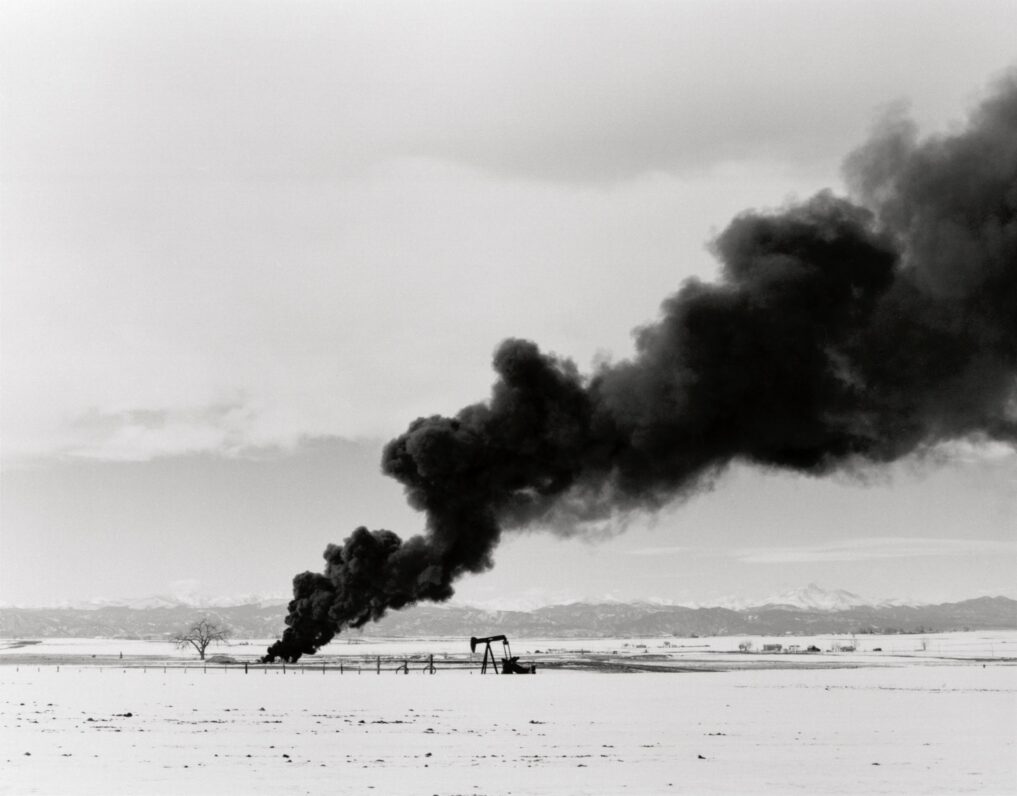
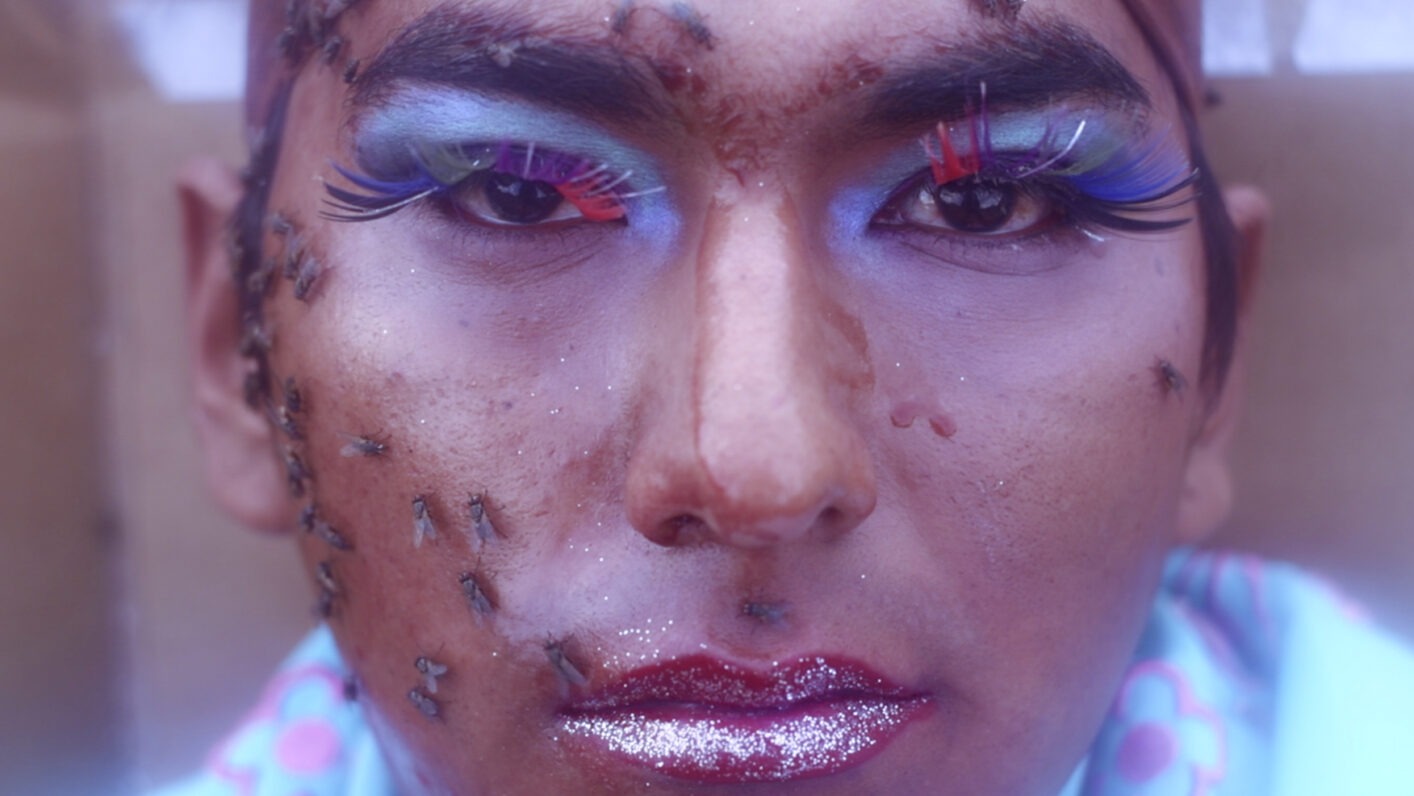
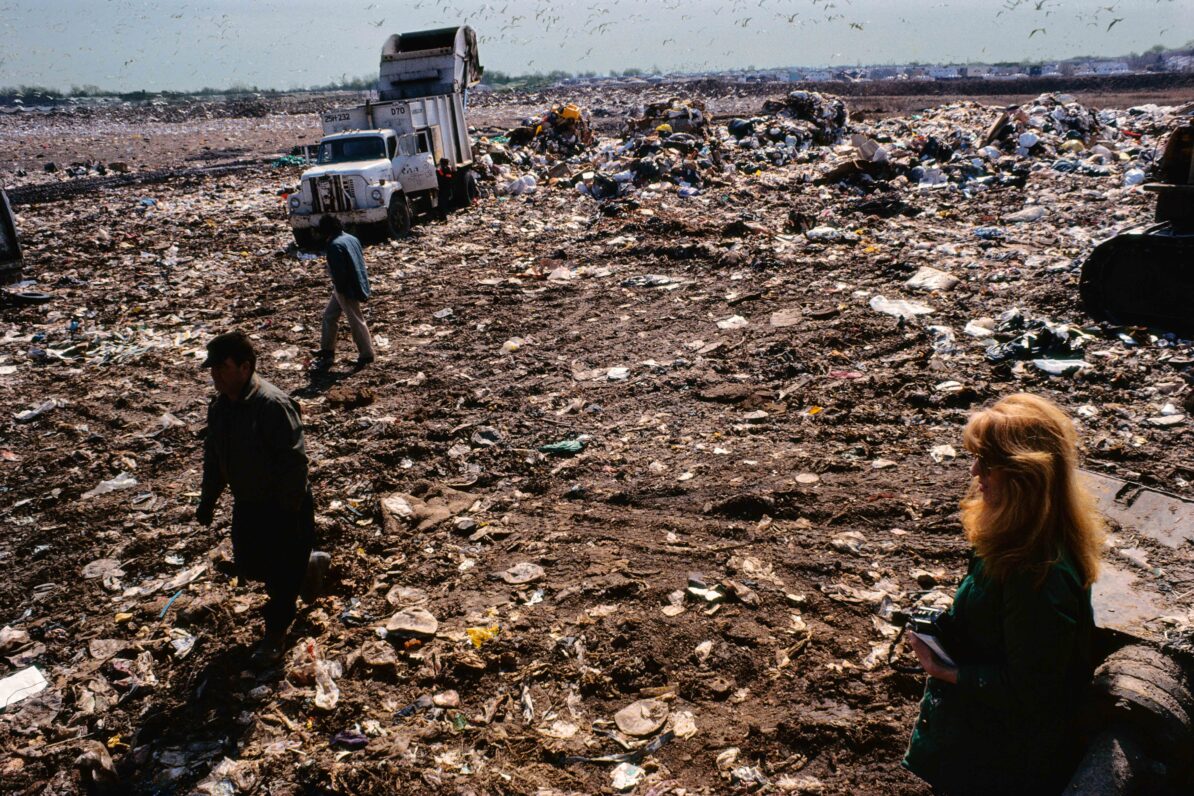
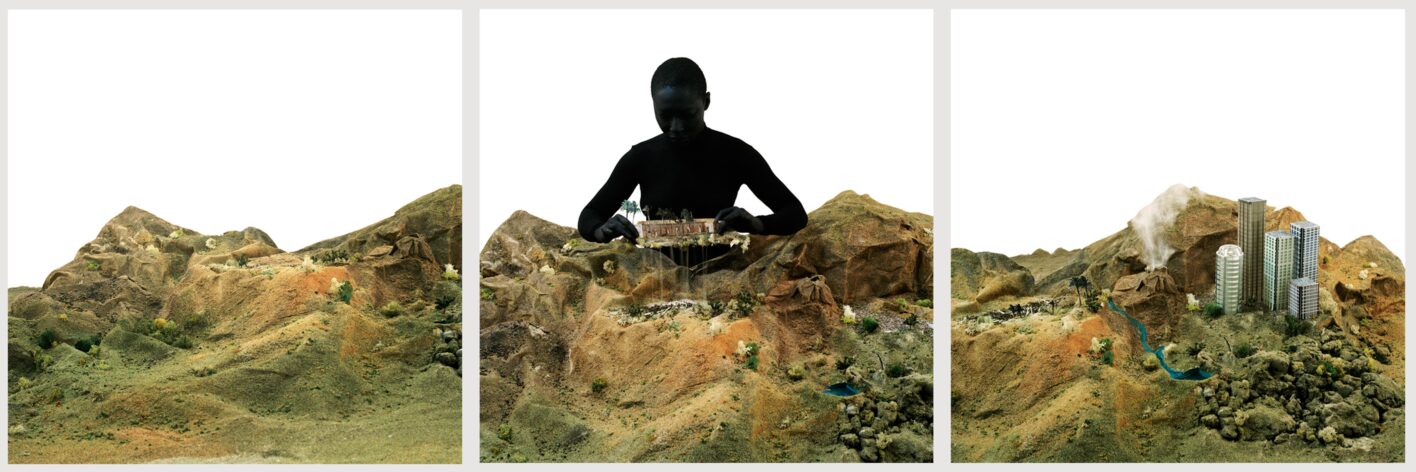
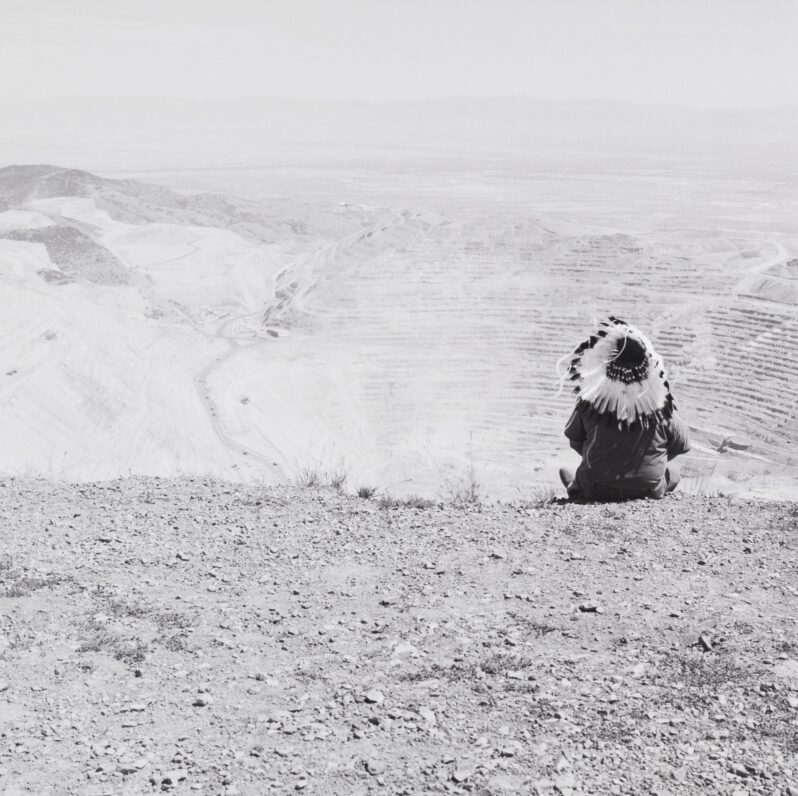
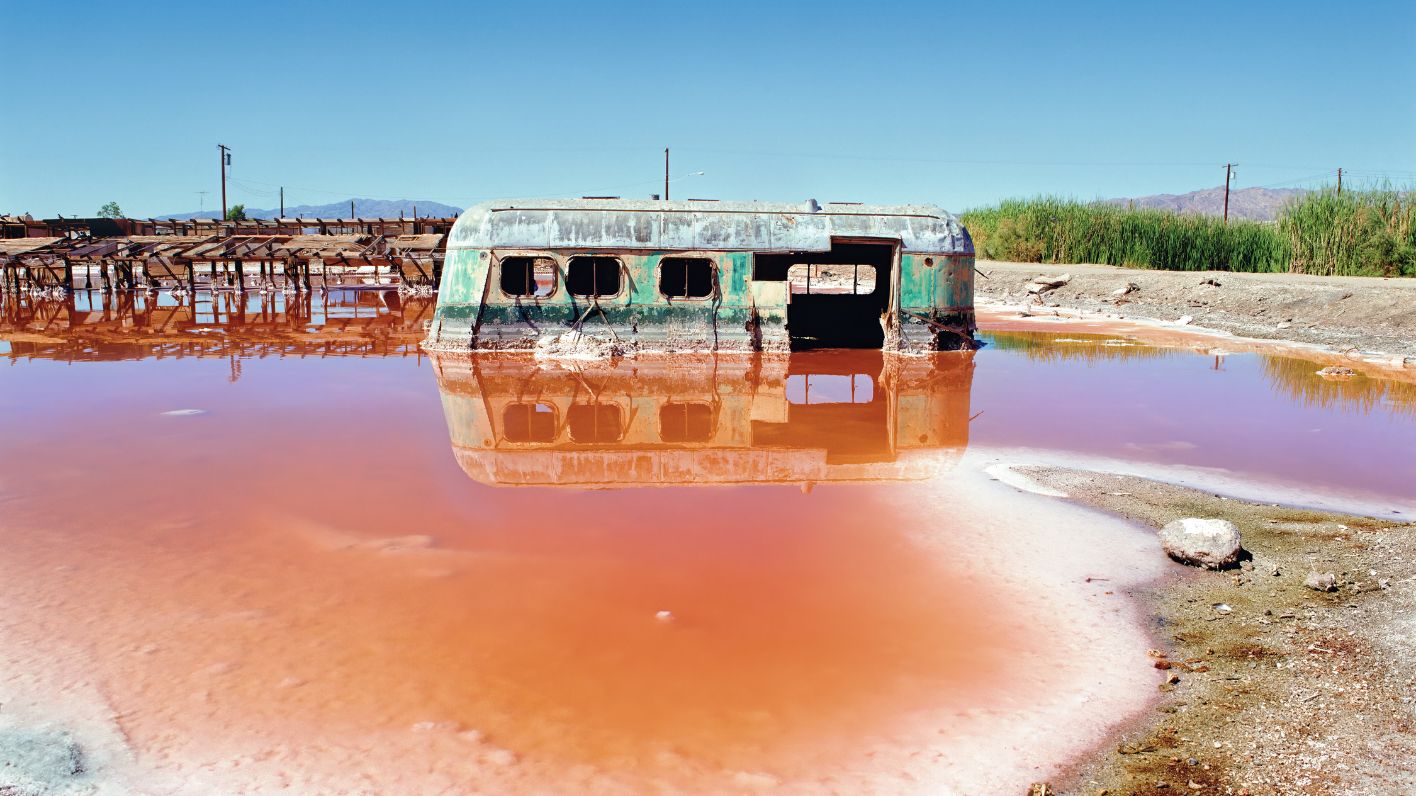
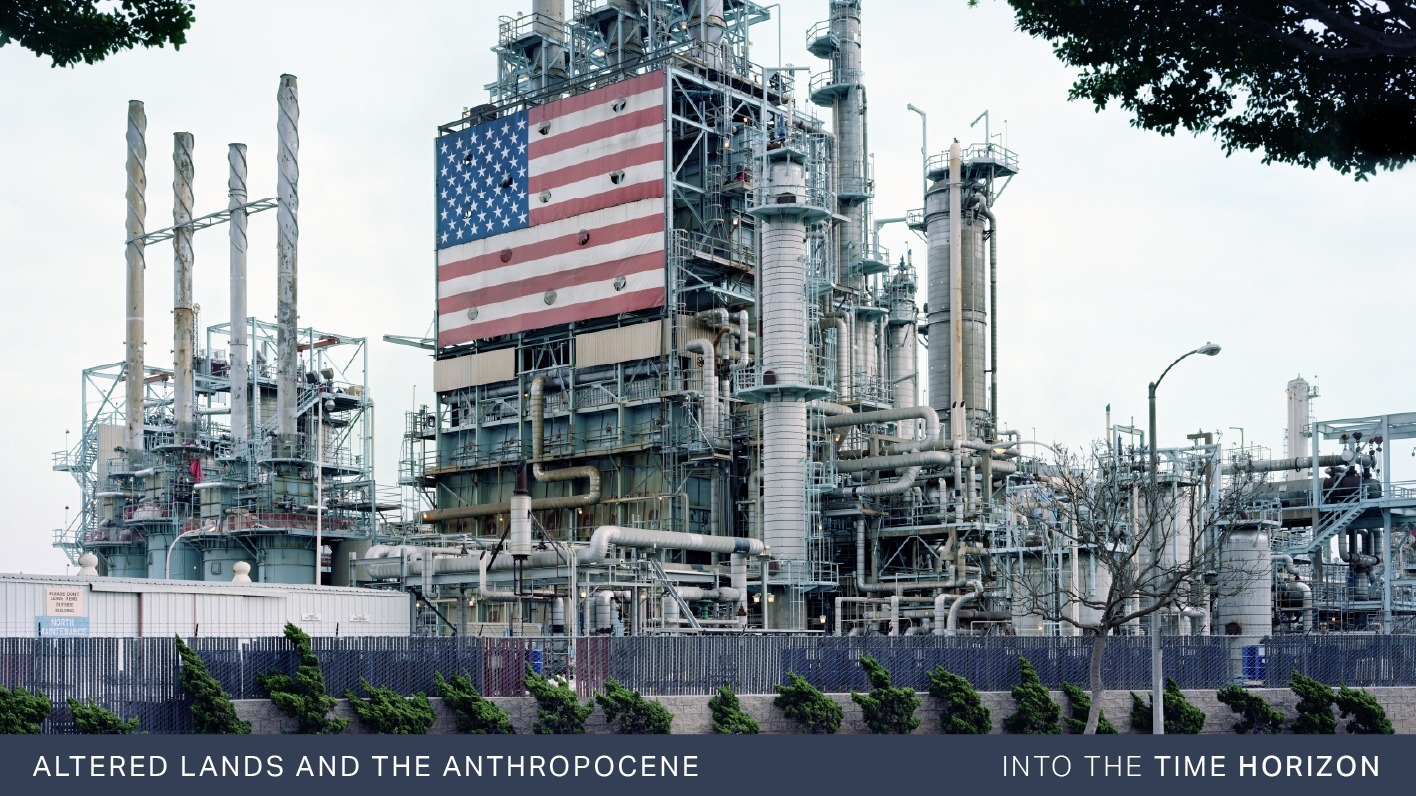
The works on view in the following galleries visually explore human impact on the Earth, primarily through the Museum’s Altered Landscape Photography Collection, which focuses on changes in natural, built, and virtual environments. The concept of the Anthropocene relates to the indelible, colossal imprint Homo sapiens have made on the planet. It suggests we have left the Holocene and entered a new geological epoch. The term was coined by Paul Crutzen, a Nobel laureate and former director of atmospheric chemistry at the Max Planck Institute for Chemistry in Mainz, Germany, during an international science conference in 2000. To signal this new age, Crutzen and coauthor Christian Schwägerl wrote in 2011: “It’s a pity we’re still officially living in an age called the Holocene. The Anthropocene—human dominance of biological, chemical and geological processes on Earth—is already an undeniable reality.”
When the Anthropocene began is still an open question though—this quandary and attempt to identify its geological marker is what scientists refer to as locating the “Golden Spike.” Some say it started with the Industrial Revolution; others suggest it was the advent of nuclear energy, or even the invention of the steam engine. Whether or not the precise date can be determined is hardly the point, however. What increasingly matters is that human impact on the Earth has become so wildly out of control that it has tipped the planet’s balance past the point of its own ability to heal and regenerate, causing a sixth mass extinction. The works on view loosely divide along subthemes, which all relate to and demonstrate the behavior of this new human epoch and how it manifests in relation to the environment.
This section is part of the exhibition INTO THE TIME HORIZON.